

THE MENSER REAL ESTATE GROUP BLOG

Top 12 Benefits of an FHA Loan
One of the primary purposes of a Federal Housing Administration (FHA) loan is to help make homeownership more possible for those buyers who may not qualify for a conventional mortgage. FHA loan benefits are numerous, from low down payment requirements to competitive FHA rates.
Though there are certainly pros and cons of an FHA loan, in this article we’ll focus on the reasons these mortgages are an important tool for millions of homeowners throughout our country. Following are our top 12 benefits of an FHA loan.
1. Easier credit qualifications
FHA loan requirements are less strict than they are for a conventional loan. It's one of the easiest loans to qualify for, especially if you have less than perfect credit.
The FHA minimum credit score is 500, however, this comes with a required loan-to-value ratio (LTV) of 90%. But lenders are allowed to set their own minimums, called overlays. A common lender overlay is an FHA credit score of 620.
Qualifications for an FHA loan are even more accessible because of compensating factors. This means that you can submit proof of additional factors to strengthen your application and prove your creditworthiness.
Acceptable compensating factors for an FHA loan include:
Verified cash reserves
Minimal housing payment increase
Low debts
Residual income
Substantial non-taxable income
Increased earning potential
2. Shorter time to qualify after negative credit
Still concerned about obtaining an FHA loan with bad credit? It’s true that past bankruptcies and foreclosures can make getting a mortgage more challenging. But with an FHA loan, you don't have to wait as long to get a mortgage after you've had a major credit event.
Let's compare the waiting period of the FHA and conventional loans.
FHA Loan
Conventional Loan
Chapter 7 Bankruptcy Waiting Period
2 Years Since Discharge
4 Years Since Discharge
Foreclosure Waiting Period
3 Years
7 Years
This means that borrowers who have had significant credit events have a better chance of getting an FHA loan sooner.
3. Low down payment
FHA loans require a down payment, but it’s likely you need less time to save up for your home than you imagined. FHA mortgages are designed to help borrowers who may not have 20 percent to put down, especially in pricier markets where this can represent a barrier to homeownership.
FHA loan down payment requirements are based on credit score. Those with a credit score below 580 are required to come up with a higher down payment. Because many lenders require a credit score above 580 to qualify for an FHA loan, 3.5 percent down is very common.
Credit Score
FHA Minimum Down Payment
580 and higher
3.5%
500–579
10%
Here are some examples of how much a 3.5 percent down payment would be:
$200,000 condo: $7,000 down payment
$250,000 townhome: $8,750 down payment
$300,000 single-family home: $10,500 down payment
4. More lenient on gift funds
If you don't have money for a down payment, it's acceptable to get help. FHA loan down payment requirements allow gift funds to come from family, close friends, an employer, a union, or government down-payment assistance programs. Those rules are not as strict as those of conventional loans, which only accept gift funds from relatives.
But it must indeed be a gift. There can't be any expected repayment.
Once you have someone or an organization ready to give you down payment money, you'll need to document it in a gift letter. Your loan officer can show you an example.
5. Low (or no) closing costs
Here's even more money-saving news: A seller can pay up to 6 percent of the sales price toward some of a buyer’s closing costs. FHA loan closing costs can average 3 to 5 percent of the loan amount. Negotiating to have the seller pay for some of these can help you get into your home with less out of pocket.
Closing costs can include:
Property taxes
Escrow fees
Homeowners insurance
Title insurance
Lender fees
There are other creative ways to pay less money up front. Some closing costs can be rolled into your loan. Another option is with lender credits: You pay a slightly higher interest rate; in exchange, your lender gives you a credit that helps cover your closing costs.
Talk to your real estate agent and loan officer if you'd like to negotiate or finance closing costs. Each will work on your behalf to find the best solution for you.
6. More affordable FHA mortgage insurance
Have you heard that mortgage insurance is a drawback of FHA loans? Take heed: FHA mortgage insurance is actually what makes it possible for millions of Americans to become proud homeowners!
The FHA doesn't issue loans. Instead, they offer lenders mortgage insurance. This insurance, referred to as an FHA mortgage insurance premium (MIP), protects the lender from default.
The length of time you pay your MIP depends on your down payment. For a down payment of less than 10 percent, MIP is paid for the loan's entire life. With a 10 percent down payment or more, the MIP is paid for the first 11 years.
There are two types of MIP:
Up Front Mortgage Insurance Premium (UFMIP) – Upon closing on an FHA loan, there is an upfront mortgage insurance premium of 1.75 percent of the loan amount. This can be rolled into the loan or paid as a closing cost.
FHA Monthly Insurance Premium (MIP) – There is also an annual MIP that can range from 0.45 percent to 1.05 percent depending on your loan parameters. This is usually split into monthly installments as part of your mortgage payment.
Mortgage insurance applies to conventional loans, too, if your down payment is less than 20 percent. And if your credit score is less than 680, that mortgage insurance can be pretty expensive. If you’re comparing the two, FHA mortgage insurance is typically the more affordable option. It’s always possible to remove MIP by refinancing to a conventional loan once you reach 20 percent equity, as many FHA borrowers do.
7. Lenient FHA debt-to-income ratio
FHA loan income requirements look at your debt-to-income ratio (DTI). This ratio compares your total debt and your gross income (before taxes). The lower, the better. A lower DTI means you have more money to put toward a mortgage payment. Most FHA lenders will require DTI to be 43 percent or lower. Some lenders may accept a 50 percent DTI with compensating factors.
DTI includes your housing costs and recurring bills like credit cards and car loans. If your income is $4,500 per month, your monthly debts can’t exceed $1,935. ($4,500 x .43 = $1,935). That amount includes your mortgage payment (principal, interest, taxes, and insurances), credit card minimum payments, auto, and installment loans.
To see how the following scenarios lead to an acceptable or unacceptable FHA DTI, divide the total monthly debts by the monthly income. For example: $2,628 ÷ $6,500 = .404
8. Non-occupant co-borrowers accepted
With an FHA home loan, a borrower can be on the loan even though they're not going to live in the property. That's called a non-occupant co-borrower. This arrangement works well if you, the primary borrower, can't qualify because you don't have enough income.
So, a parent can help their child buy a home even if they live across the country. The underwriter will take the co-borrower's income into account. A child can also help a parent or other sibling.
Here's what the FHA says about who can be a co-borrower:
Borrowers related by blood, marriage, or law, such as spouses, parents/children, siblings, stepchildren, aunts/uncles, and nieces/nephews
Unrelated individuals who can document evidence of a longstanding, substantial family-type relationship not arising out of the loan transaction
9. Low FHA rates
FHA loan interest rates are some of the lowest in the industry. If you have a credit score of less than 650, the FHA rate will almost always be lower than a conventional interest rate.
Interest rates are tied to the perceived risk that lenders anticipate in making a loan. The lender has less risk because they are backed by the Federal Housing Administration and covered by mortgage insurance, resulting in a more favorable interest rate.
Some of the best FHA loan rates are available through credit unions. Because credit unions are nonprofit, they may pass their tax savings on to their members in the form of lower interest rates for various loan products, including FHA mortgages.
10. Financing available for one- to four-unit properties
Did you know that FHA loans aren't just for one-unit properties? Eligible borrowers can purchase two-unit, three-unit, and four-unit properties.
But you must live in one of the units as your primary residence for at least one year. The advantage of this is that you can rent the other units out to help cover the mortgage – making the monthly payment more affordable.
One of the main criteria a lender will look at is if you have experience as a landlord. If you don't, this option may not work. Each case is looked at on an individual basis.
11. No income limits
Many low down payment options for conventional mortgages also include low income ceilings. Higher-earning borrowers make too much for these programs and, in most cases, need to put down 10 percent or more, which can add up to a significant amount.
With an FHA loan, there are no income limits restricting your chance of approval. This allows you to choose the loan that works for your financial needs no matter what neighborhood you’re focusing your home search in.
12. FHA lenders
Applying for a home loan can be a high-pressure experience. While you want to be excited about the potential of the home you’re purchasing, your days are filled with gathering and submitting paperwork for mortgage underwriting. Working with a faceless, impersonal lender can make for a nerve-racking and frustrating experience. At UWL we take that pressure off and you will deal directly with me and have your approval in 24 hours
When you add it all up, FHA loans are designed to help all kinds of homeowners make their real estate dreams a reality. With lower costs and more availability for borrowers from a wide range of financial backgrounds, the FHA loan benefits reflect a commitment to making homes more affordable.


November 2022 - Luxury Market Report for Lake Tahoe, California
View the real estate market data for Lake Tahoe California luxury homes for November 2022.

November 2022 - Luxury Market Report for Sacramento County
View the real estate market data for Sacramento County California luxury homes for November 2022.

November 2022 - Luxury Market Report for Placer County
View the real estate market data for Placer County California luxury homes for November 2022.
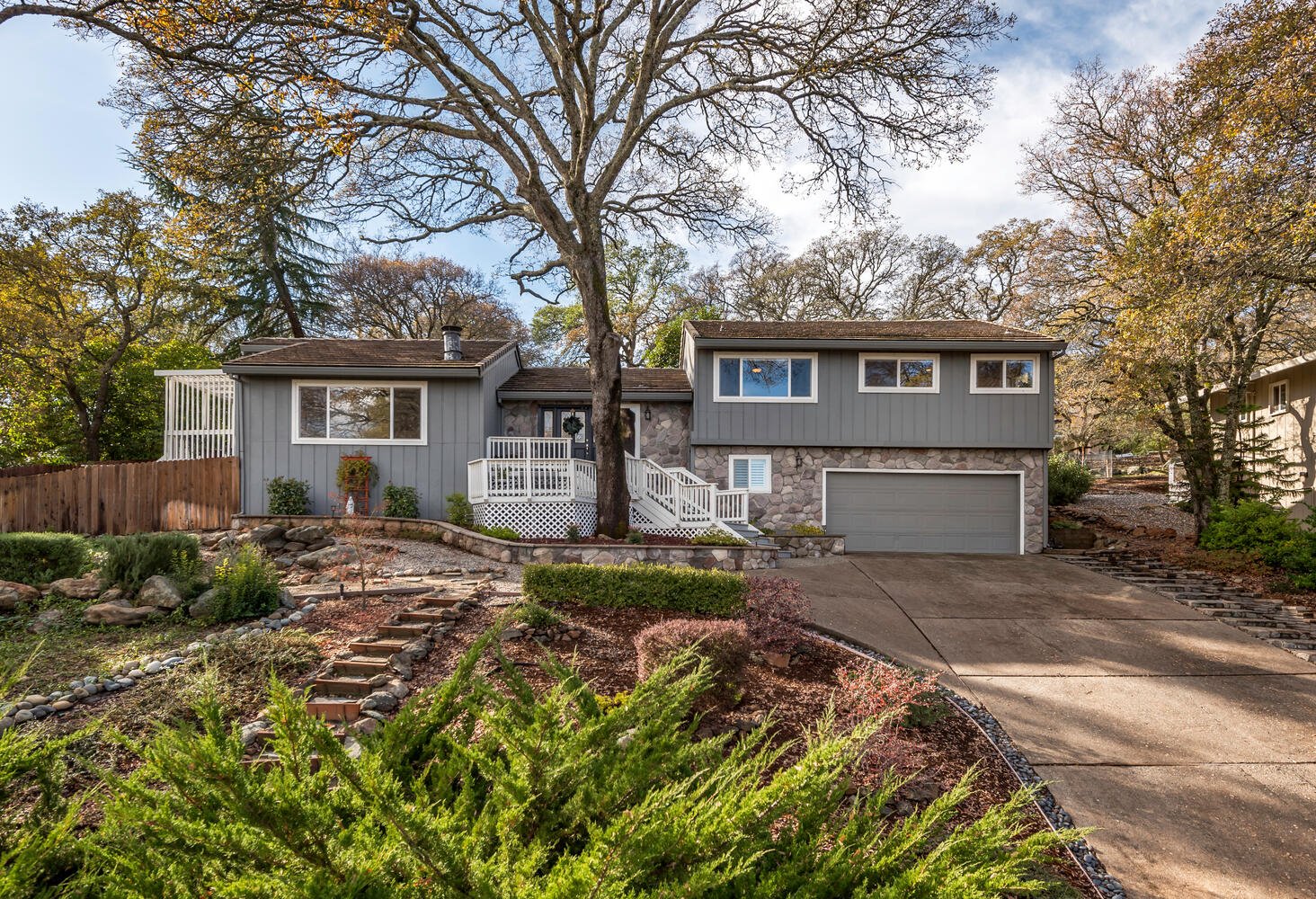
3536 Patterson Way, El Dorado Hills, CA 95762
Stunning residence, located in the desirable neighborhood of Ridgeview. Boasting approximately 2,215 square feet, this three-bedroom, three-bathroom home features an ideal floor plan for relaxed yet elegant living. The designer touches throughout ensure a feel of luxury. Enter into the open foyer, which overlooks the living room with cathedral ceilings and a large picturesque window with views of the foothills. The gourmet kitchen includes new white cabinetry, granite counters, stainless appliances, and a spacious dining nook. The corner sink has a beautiful view of the rolling hills. Step into the family room which highlights a cozy gas fireplace and sliding glass door to the backyard. The junior master suite with an updated bathroom is located near the family room. The master bedroom, an additional bedroom and a bathroom are located near the foyer. The spacious master suite showcases two closets, and a glass door that leads to the side deck. The spa-like bathroom offers dual vanities and a shower stall. The office is located near the laundry room that features a sink and a refrigerator space. Retreat to the peaceful backyard that boasts an expansive entertaining deck, a croquet-worthy lawn, shed, and greenbelt views with a seasonal stream. This striking home presents plenty of parking with an oversized two-car garage.
Listed at $779,000

New Loan Limits, What This Means for You
The Federal Housing Administration (FHA) has just increased the amount of money that can be borrowed through its mortgage programs by more than $51K in most areas. In high-cost locations, the increase is even greater. New limits will take effect in 2023.
The increases will allow more borrowers to take advantage of FHA’s benefits:
Low down payment options
Lower total cash-to-close requirements with gift or seller contributions
More lenient and streamlined refinancing
Ability to combine purchase and rehab financing
In some high-cost areas, higher loan limits than conventional mortgages
Here are the specifics:
In most areas, the FHA loan limit will be $472,030, a 12% increase over 2022’s limit of $420,680.
In high-cost areas, the limit moves to $1,089,300, a 12% increase over 2022’s $970,800.
In some lower-cost areas or those with higher costs of construction, limits will vary.
If you have questions about what this change could mean for you, please reach out. And if you have friends who may benefit from the news, please pass it along. I'll be honored to help them too.
Welcome to our Blog!

- Categories -
- Recent Posts -



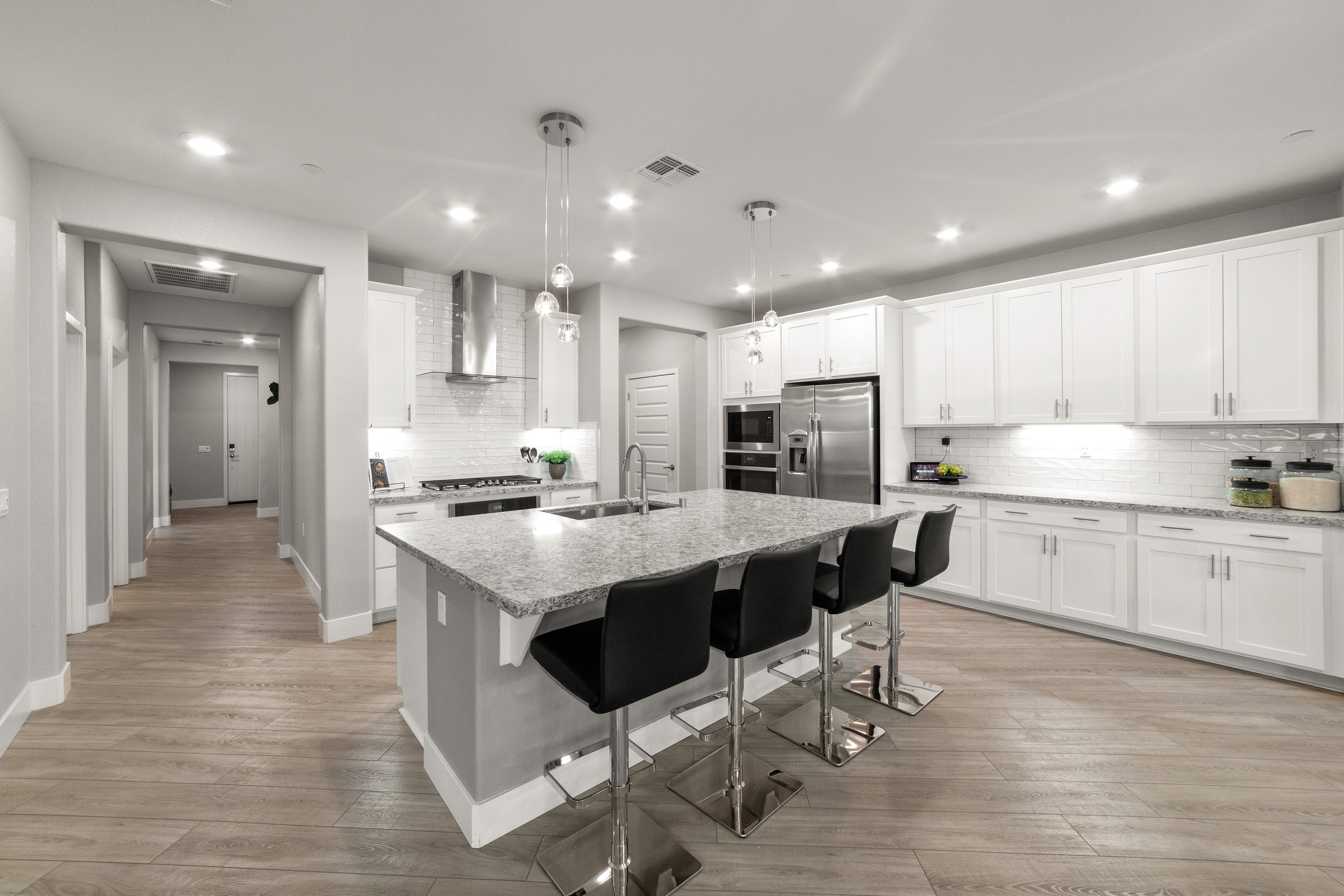


We helped our client purchase this Serrano home at a favorable price after it had been on the market for several months. When her relocation plans changed, she needed to sell without being here to manage the process.
The Menser Real Estate Group handled the preparation, staging, marketing, and negotiations, coordinating the details locally for our out-of-area client.
Our listing received two offers in just two days on the market. Approximately five months after her purchase, the home sold for $100,000 more than she had paid.
From purchase to resale, our team provided the local knowledge and hands-on support she needed as her plans changed.