

THE MENSER REAL ESTATE GROUP BLOG

An Overview Of How Mortgage Interest Rates Are Determined
Several factors affect how mortgage rates are determined today, but you can only control one aspect: the personal factors. Lenders look at your qualifying factors to determine your risk level. The better your qualifying factors, the better the interest rate they’ll offer.
But it all starts with the current market rates, so you may wonder how the market affects interest rates.
Mortgage rates are affected by the overall economy. When the economic outlook is good, rates tend to increase, and rates fall when they’re not so great. It seems somewhat backward, but here’s the reasoning.
When the economy is doing well, borrowers can afford more. Without increased rates, the demand for mortgages could exceed the bandwidth of most lenders. Slightly rising rates keep everyone on the same level.
Conversely, when the economy declines and unemployment rates increase, interest rates fall to make it more affordable for borrowers to take out loans.
Frequency Of Interest Rate Changes
Every day, banks receive rate sheets. This doesn’t mean rates change daily, but they can. In fact, they can change multiple times a day.
Which Market Factors Affect Mortgage Rates?
Market factors are some of the largest driving forces behind mortgage rates. The Federal Reserve, bond market, Secured Overnight Finance Rates, Constant Maturity Treasury, the health of the economy and inflation all affect mortgage rates.
Federal Reserve
Many people assume the Federal Reserve sets mortgage rates. They don’t, but the Federal Reserve does affect rates. The Fed controls short-term interest rates by increasing them or decreasing them based on the state of the economy. While mortgage rates aren’t directly tied to the Fed rates, when the Fed rate changes, the prime rate for mortgages usually follows suit shortly afterward.
The Federal Reserve controls short-term interest rates to control the money supply. When the economy is struggling, as has been the case during COVID-19, the Fed lowers rates, which is why you’ve likely heard rates are close to 0%. These are not the rates given to consumers, but the rates at which banks can borrow money to lend to consumers.
When the Fed decides they need to tighten up the money supply, they raise the Fed rate. While this doesn’t directly increase mortgage rates, eventually, banks and lenders must follow suit to keep up with their costs to borrow money from the Fed.
Bond Market
Mortgage rates have a reputation of being tied to the 10-year Treasury note when they’re tied to the bond market.
Mortgage-backed securities, or mortgage bonds, are bundles of mortgages sold in the bond market. Bonds affect mortgage rates depending on their demand. When the demand for mortgage bonds is high (usually when the stock market performs poorly), mortgage rates increase, and when the demand is low, mortgage rates decrease.
Secured Overnight Finance Rate
A secured Overnight Finance Rate (SOFR) is an interest rate set based on the cost of overnight borrowing for banks. It’s often used by lenders to determine a mortgage’s base interest rate, depending on the type of home loan. It’s grown in popularity to serve as the replacement for the London Interbank Offer Rate (LIBOR), which is being phased out at the end of 2021.

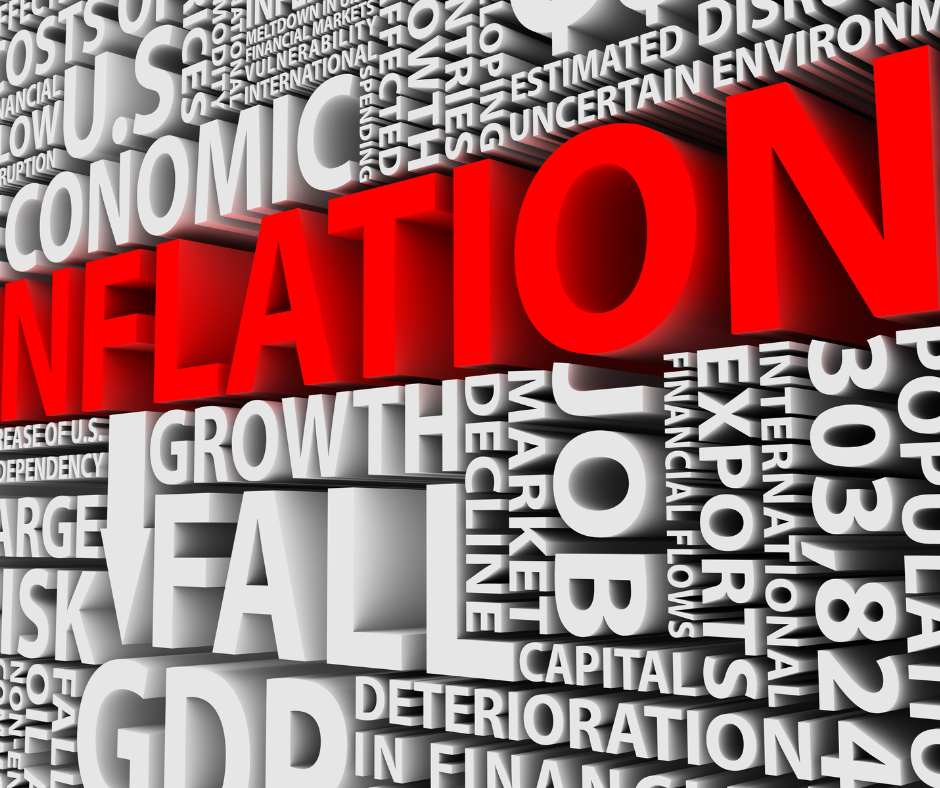
Inflation Worse Before it Gets Better?
After underestimating the worst inflation outbreak in decades, central banks are now driving their economies headlong toward recession in order to tame prices. For now, central banks across many advanced and emerging economies have little option but to keep on hiking in the face of inflation that has yet to peak. Bloomberg Economics sees global inflation edging up from 9% year-on-year in the second quarter to 9.3% in the third quarter before slipping back to a still uncomfortable 8.5% by year end.
The speed of tightening is making a soft landing harder to achieve. Citigroup Inc. economists put the chances of a global recession at 50% while Bank of America Corp. economists forecast a “mild recession this year” in the US as conditions have deteriorated much more rapidly than they expected.
The stark outlook is stoking fears that policymakers will end up overreaching as they push ahead with aggressive interest-rate hikes, just as some now concede they overstimulated through the pandemic recovery.
Investor confidence that policymakers can avoid recession has collapsed. Global growth and profit expectations are at an all-time low while recession expectations are at their highest since the pandemic-fueled slowdown in May 2020, according to Bank of America’s monthly fund manager survey.
While labor markets remain strong, central bankers will still need to tread carefully, said Dario Perkins, global macro strategist at TS Lombard.
“We’re on this rapid path to over-tightening,” he said. “The worry is that having been embarrassed by inflation, policymakers now want to make amends and the risk is they go too far and cause unnecessary damage to the world economy.”
Some officials are already voicing concerns about the pace of rate hikes. They include Federal Reserve Bank of Kansas City President Esther George, who cautioned this month that rushing to tighten policy could backfire.
The European Central Bank raised its key interest rate by 50 basis points, the first increase in 11 years and the biggest since 2000. That came as the likelihood of a contraction has increased to 45% from 30% in June, according to a Bloomberg survey of economists.
The Bank of England is considering a 50 basis points move and the Federal Reserve on July 27 is expected to raise rates by another 75 basis points. The Bank of Canada has already shocked with a 100 basis points move.
Among emerging economies, the South African Reserve Bank lifted its rate by 75 basis points, its biggest increase in borrowing costs in almost two decades, while the Philippines this month surprised with a 75 basis points hike in an unscheduled decision.
Having missed the inflation build-up, monetary officials now face an uphill battle to restore confidence.
In the UK, BOE Governor Andrew Bailey has had to defend against attacks from politicians in the ruling Conservative Party who blame the bank for moving too slowly on inflation. Sweden’s Riksbank Governor Stefan Ingves this month admitted that the bank has had a “bad year” as a forecaster after a ninth consecutive month of inflation exceeding its forecast.
Australia’s government has announced a review of the Reserve Bank amid criticism of the institution’s recent performance. In a rare mea culpa, RBA Governor Philip Lowe on Wednesday conceded that its over stimulus in the pandemic’s wake had added to price pressures.
“While this approach meant we avoided some damaging long-term scarring, it has contributed to the inflationary pressures we are now experiencing,” he said in a speech.
That leaves him, like so many peers, having to trade off economic growth to rein in prices.
“Inflation is expected to get worse before it gets better,” Ravi Menon, managing director of the Monetary Authority of Singapore, said at a briefing on July 19. “A slowdown in economic growth is necessary” to restore global stability. In a warning for central banks about what lies ahead, analysis by Citigroup of the Fed’s hiking cycle between 2015 and 2018 found the economy slowed more rapidly than the Fed expected -- “a powerful reminder that the Fed will need to stay light on its feet and prepare for surprises.”

SWGG Charity Golf Tournament 2022 - Photo Booth Pictures
We had a great time sponsoring the Serrano Womens Golf Group event yesterday! The weather was hot but beautiful and it seemed like everyone had a great time! Looking forward to participating again next year. This year, proceeds went to Albie Aware.

June 2022 - Luxury Market Report for Lake Tahoe, California
View the real estate market data for Lake Tahoe California luxury homes for June 2022.

8091 Avanti Drive, El Dorado Hills, CA 95762
Striking two-story residence located in the desirable community of Blackstone. Built by Lennar in 2017, this exceptional home presents an ideal floorplan for relaxed living and entertaining. Boasting 2,336 square feet, 4 bedrooms, 3 bathrooms, owned solar, abundant storage, a 2 car garage, and a low-maintenance backyard.
As you enter through the covered front porch, you are welcomed by an open and bright foyer that leads to the great room. Chefs will enjoy the stunning kitchen that includes stainless appliances, an oversized pantry closet, and an island that overlooks the family room and dining area. A bedroom and full bathroom complete the main level of the home.
Retreat to the generously sized master suite that showcases a spa-like bathroom with dual sinks, a soaking tub, a shower stall, and a walk-in closet. Two bedrooms, a full bathroom, loft (optional 5th bed), and a laundry room complete the 2nd level of the home. The private backyard features a spacious entertaining patio that overlooks a greenbelt.
Listed at $699,900

June 2022 - Luxury Market Report for Sacramento County
View the real estate market data for Sacramento County California luxury homes for June 2022.
Welcome to our Blog!

- Categories -
- Recent Posts -
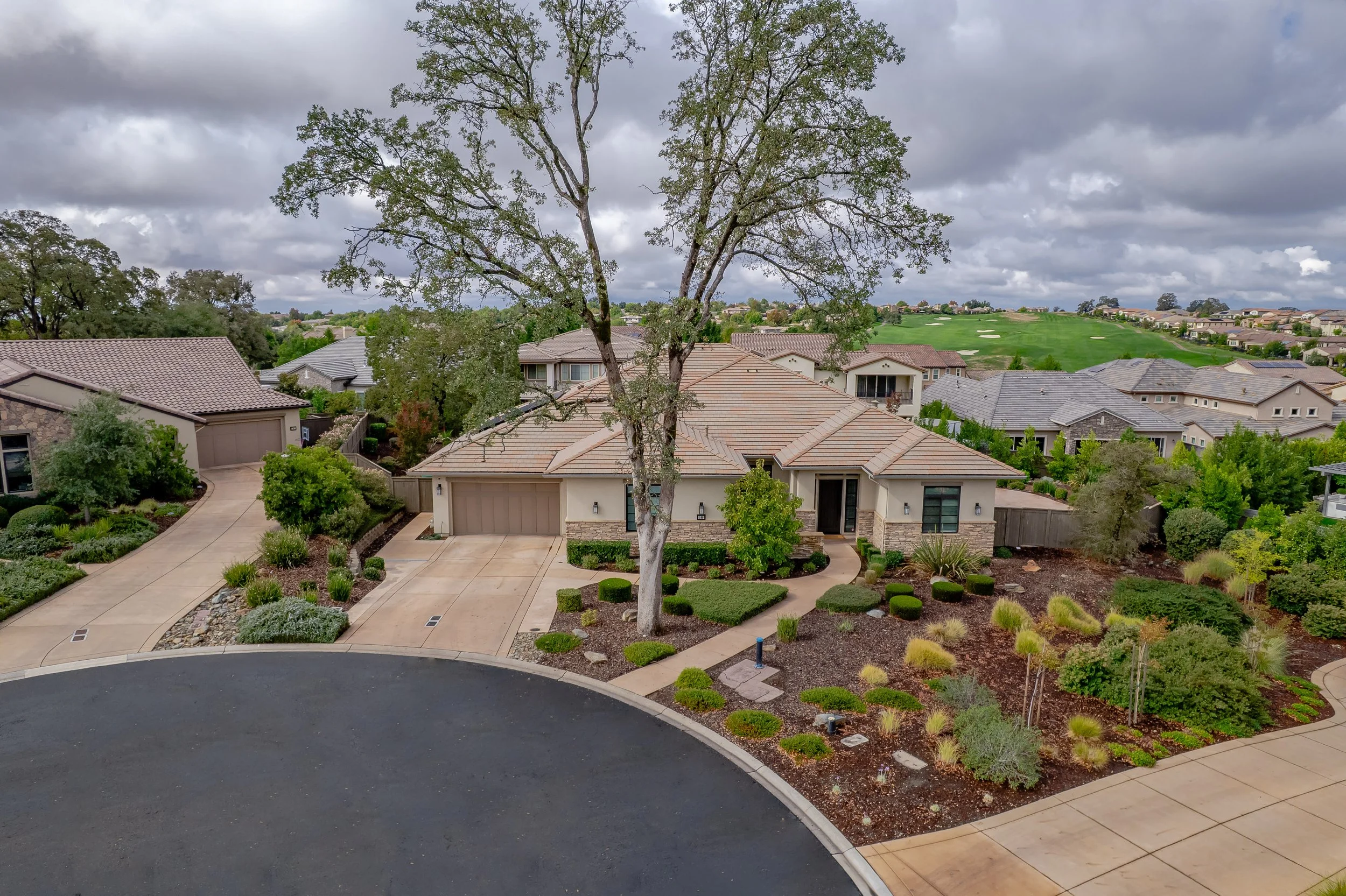



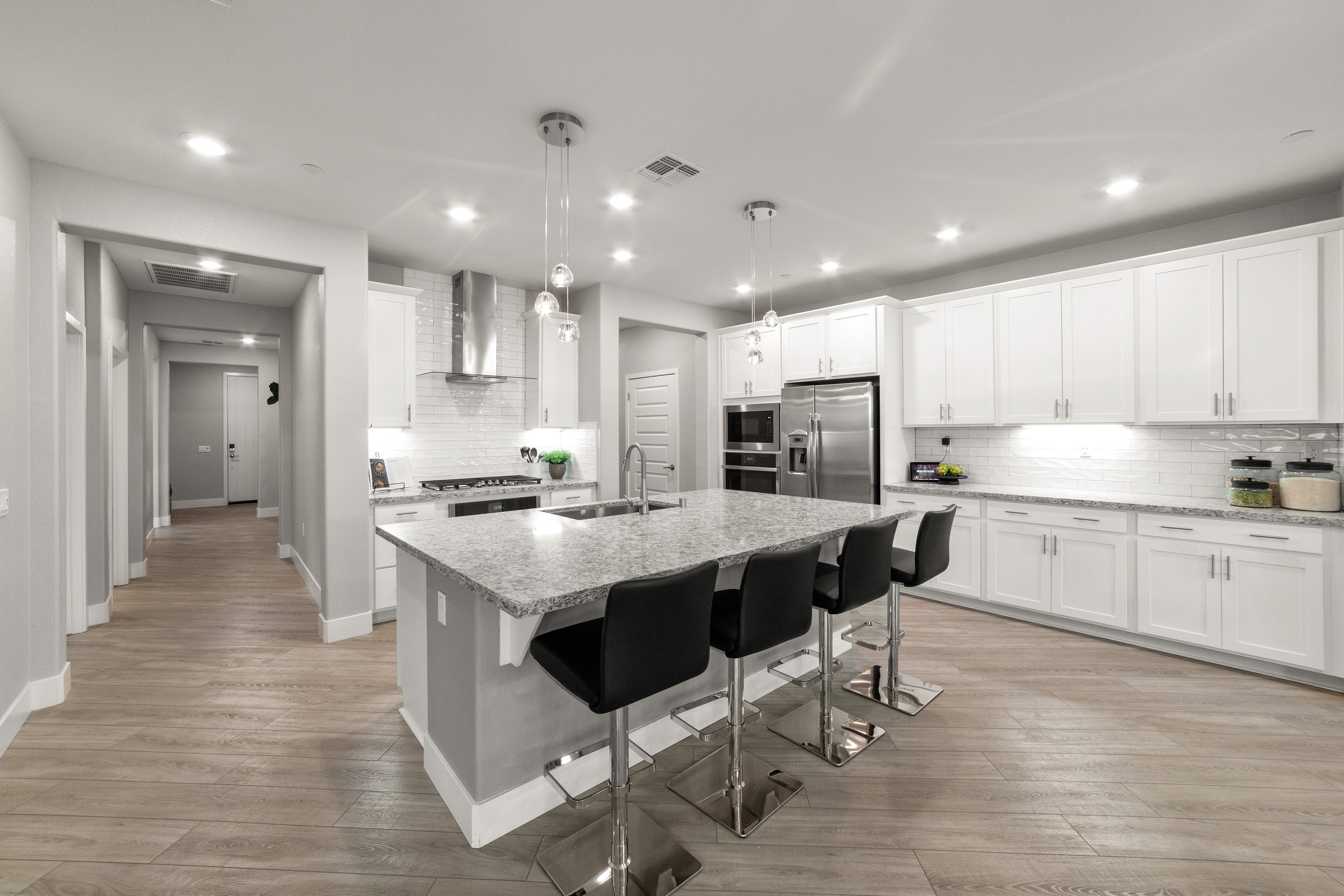
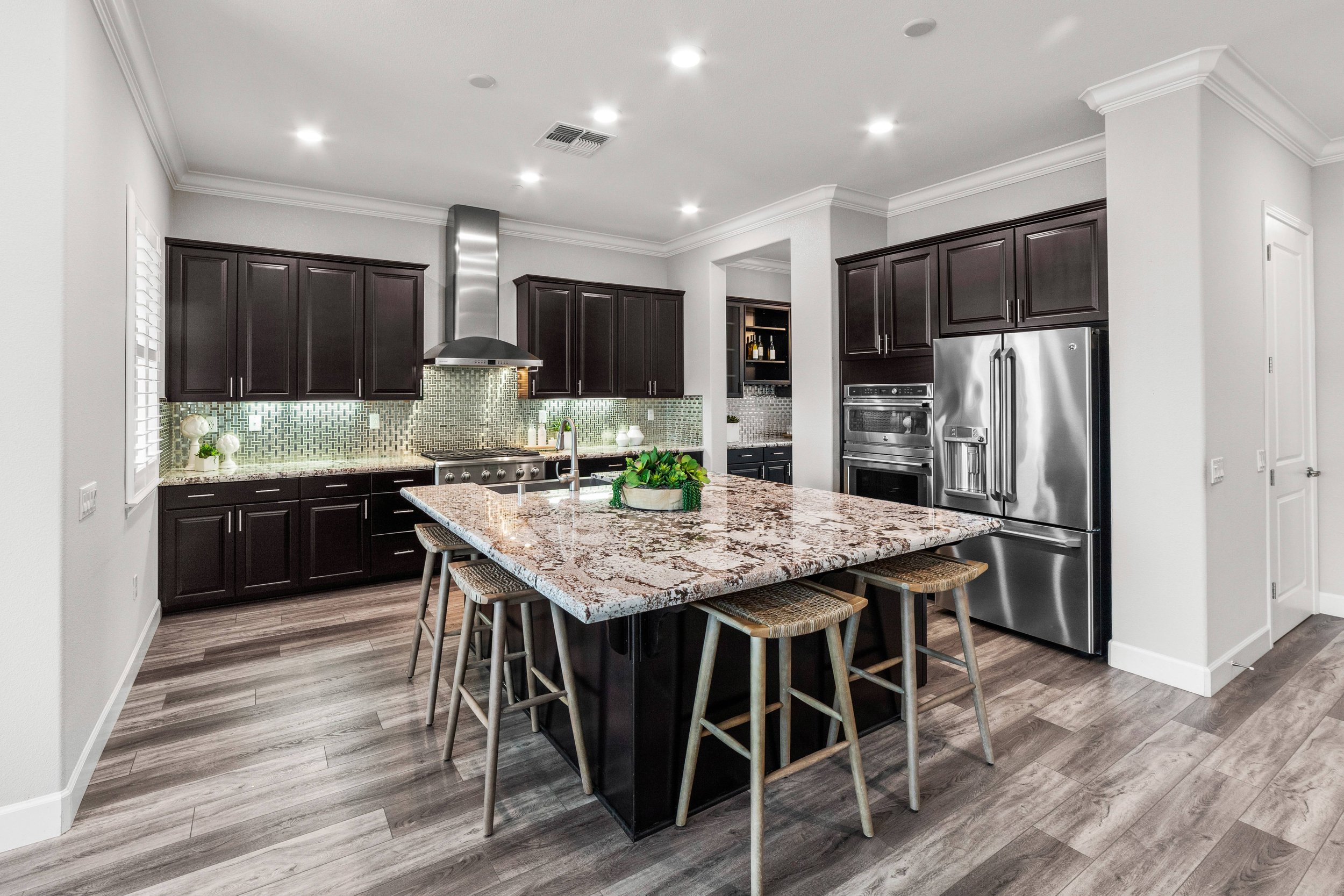

We helped our client purchase this Serrano home at a favorable price after it had been on the market for several months. When her relocation plans changed, she needed to sell without being here to manage the process.
The Menser Real Estate Group handled the preparation, staging, marketing, and negotiations, coordinating the details locally for our out-of-area client.
Our listing received two offers in just two days on the market. Approximately five months after her purchase, the home sold for $100,000 more than she had paid.
From purchase to resale, our team provided the local knowledge and hands-on support she needed as her plans changed.